
1What to record on
Your phone is good enough.
Every modern phone records audio that is clearer than most of what gets written up professionally. The voice recorder app is already installed. You do not need to buy anything.
If you want to know the specifics: the app is Voice Memos on an iPhone and Recorder on most Android phones. Both save automatically if the call or the battery interrupts you.
A separate recorder is worth it in one case only: if you are going to do this repeatedly, over months, and you want to stop worrying about phone storage and interruptions. A basic handheld recorder does the job. Anything fancier is for musicians.
Video is a different decision, not a better one. A camera pointed at someone changes how they sit and how they talk, and most people are more self-conscious on video than on audio. It is worth it if seeing them matters more to you than what they say. If you want both, record audio and take photographs separately.
Before you press record
2Where to sit
Small, soft rooms. Carpet, curtains, a sofa, a bookcase. Hard kitchens and conservatories echo, and the echo is what makes a recording tiring to listen to afterwards.
Sit at an angle, not opposite. Directly facing someone across a table feels like an interview. Side by side, or at the corner of a table, feels like talking.
Feels like an interview.
Feels like talking.
Put the phone about a foot away, on something soft. A folded tea towel or a cushion stops the table noise. Screen down on a hard surface picks up every knock and cup.
Kill the background. The television in the next room, the radio, the extractor fan, the dishwasher. You will not hear them while you are there. You will hear nothing else afterwards.
One person asking. Two is a panel. If a sibling wants to be there, let them sit in and stay quiet, or do a separate conversation with them.
3Ask permission, and record yourself asking
Start the recording, then ask, and let them answer:
“I am recording this so I do not have to take notes. Is that all right with you?”
It takes five seconds. It means the permission is part of the file, it removes any doubt later about what everybody agreed to, and it settles the person, because they know exactly what is happening.
If other people in the family will hear the recording, say so at that point too. Someone might say something differently if they know a grandchild will hear it in twenty years.
4How long to go for
Forty minutes. Not two hours.
People tire, and the tiredness comes out as shorter answers. Nobody notices at the time, and everybody notices on the recording. Forty minutes is roughly 5,000 words of speech, which is a great deal of material.
Three conversations of forty minutes will always be better than one of two hours, because the person spends the days between them remembering things and looking out photographs. The second conversation is usually the best one.
Stop before they want to stop.
5How to ask
One question at a time. A double question gets a half answer.
Specific beats general. “What did your kitchen smell like on a Sunday?” gets a real answer. “Tell me about your childhood” does not.
Wait
After someone finishes a sentence, count to three before you say anything. The better half of the answer usually lives in that gap. It feels much longer to you than it does to them.
Do not correct them. If the date is wrong or the story has drifted, leave it. Correcting turns a conversation into a test, and you can check the facts afterwards.
Follow the thing they got animated about, not the next question on your list. Your list is a safety net, not an agenda.
Say nothing much yourself. The instinct to fill a silence with your own memory is strong, and it costs you theirs.
If you want a set of questions to start from, the 100 questions list is grouped by theme so you can take one section per conversation. If you are getting nowhere at all, when they say there is nothing to tell covers what usually causes that.
6Recording grandparents, and anyone older or frailer
The method is the same. A few adjustments help.
Go in the morning if you can, when most people are sharper. Keep it to half an hour. Put the phone slightly closer, because quieter voices and hearing aids both cost you clarity. Expect to be interrupted and do not mind it. If someone repeats a story, take it again: the retelling often has something the first one did not.
If the person has dementia, do not try to fill in a timeline or press for names that are not coming. Follow what they can reach easily, which is often the distant past, and let the conversation be short and good rather than long and hard work.
7The mistakes that actually ruin recordings
| The fault | What it does |
|---|---|
| A hard room | Tile, glass and a big table. You cannot fix echo afterwards. |
| The phone in a pocket or a bag | Fabric noise over everything. |
| Background you tuned out | Television, radio, traffic through an open window. |
| Going too long | Ninety minutes in, the answers are one line each. |
| Talking over the end of an answer | Wait three seconds. |
| Never labelling the file | Ten recordings called New Recording 47 are ten recordings nobody will find. |
| Leaving it all on the phone | Phones get lost, dropped and wiped, and this is now the only copy of a voice. |
8What to do with it afterwards, the same day
Move it off the phone. Email it to yourself, put it in Google Drive, iCloud, Dropbox, or on a computer. Anywhere that is not only the phone.
Rename it with the date and who is on it. This single habit is the difference between a recording that gets used and one that does not.
Nobody will find this
New Recording 47.m4a
Somebody will
2026-09-20 Dad first conversation.m4a
Keep a second copy somewhere different from the first.
Write down two or three lines about what you did not get to. That is your list for next time.
If you end up with several recordings and no idea what to do with them, what to do with recordings you already have covers the options, including having them written up properly.
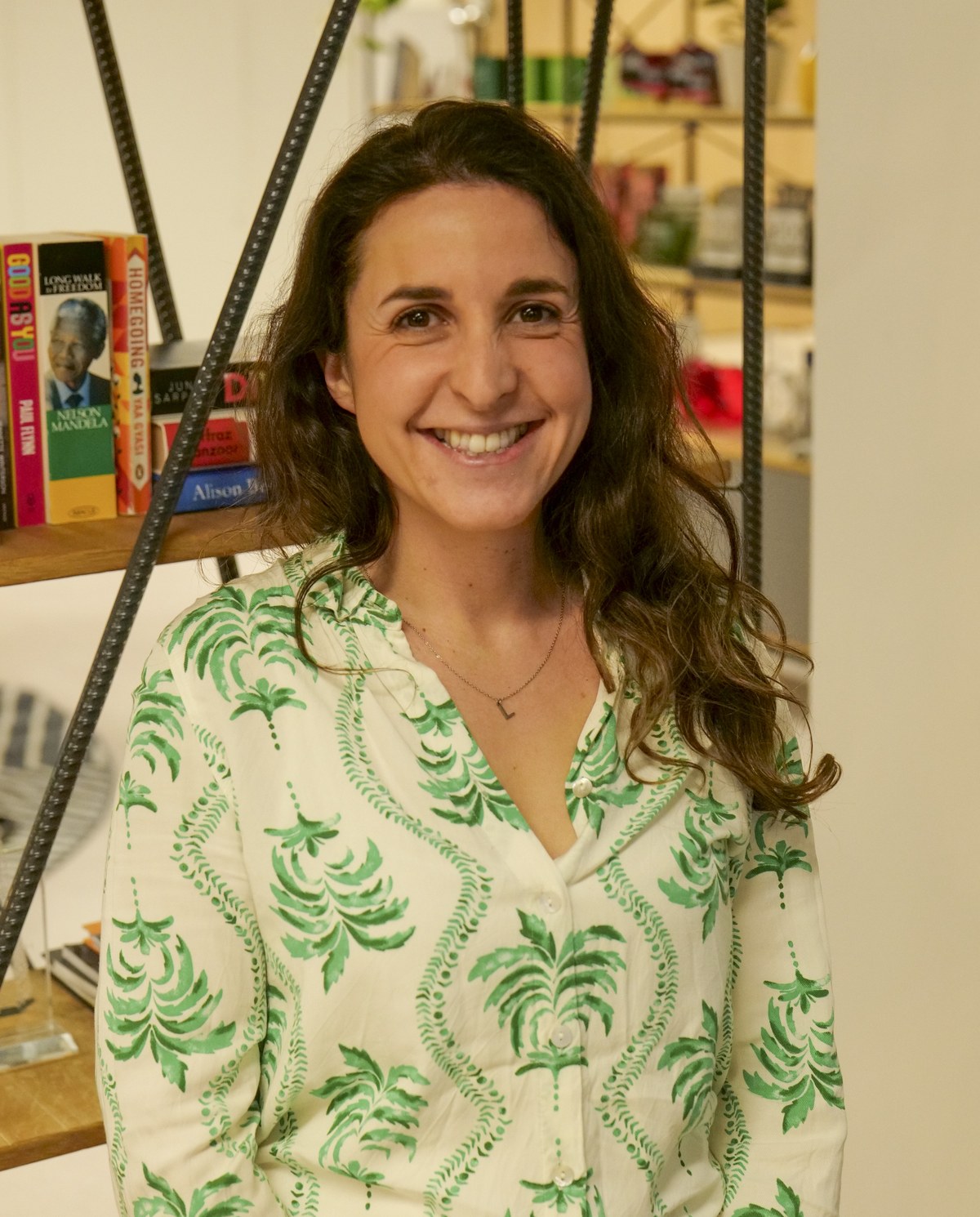
From Amanda
The equipment matters far less than people expect. What actually ruins a recording is a hard floor, a television left on in the next room, and trying to do everything in one sitting.
Where to go next
If you would rather not do the recording and the writing yourself, that is the whole of what I do.
Talk to Amanda